If you’ve ever spent hours scrolling through custom Eggy Party maps looking for a fun challenge, you know the best levels feel equal parts creative, fair, and addictive. Whether you’re a new creator just getting started in Eggy Workshop or a seasoned builder looking to improve your play counts, nailing Eggy Party obstacle course design is the key to making maps that players come back to again and again. I’ve built over 20 custom maps over the last year, some with more than 100k plays, so I’m sharing all the lessons I learned the hard way to help you skip the common missteps that make players abandon your level halfway through.
Start with a clear difficulty curve to avoid early player dropoff
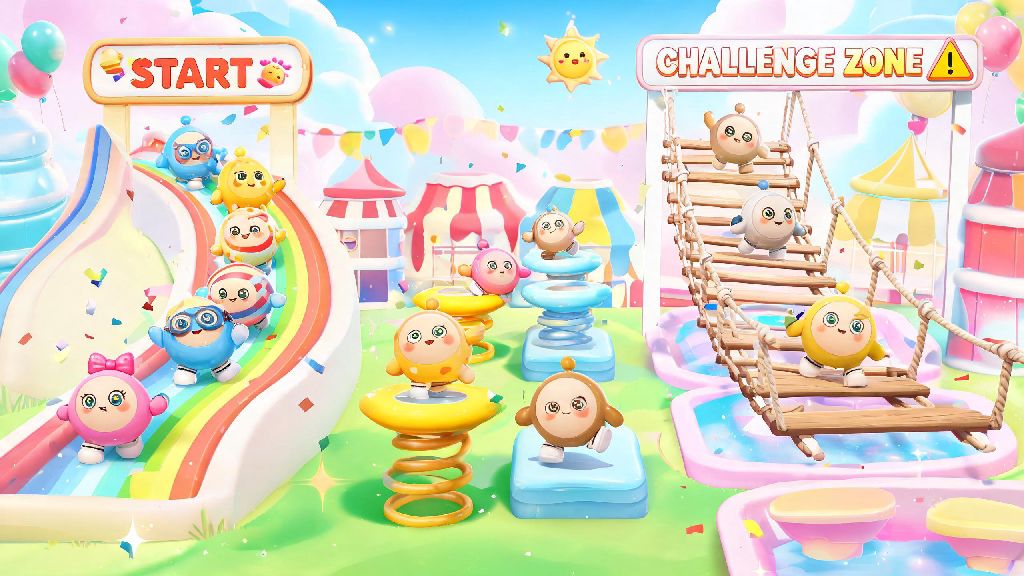
A huge mistake new creators make is throwing their hardest obstacle right at the start of the map. Most players click on custom maps looking for a fun, low-stakes challenge, not a frustrating grind that makes them quit within 10 seconds. Start every course with 2-3 simple, low-risk obstacles to let players get used to your map’s mechanics, movement speed, and gimmicks before you ramp up the challenge. For example, if your map uses slippery ice blocks as a core mechanic, introduce them on a flat, wide surface first before adding gaps, moving platforms, or falling hazards over lava. You can adjust the curve based on your target audience too: if you’re making a map for casual players, keep 70% of obstacles easy to moderate, with one hard section as a final boss challenge. If you’re making a map for pro players, you can ramp up difficulty faster, but you still need to give a 10-second warmup section so players don’t get caught off guard.
Add unique, thematic gimmicks to make your course stand out
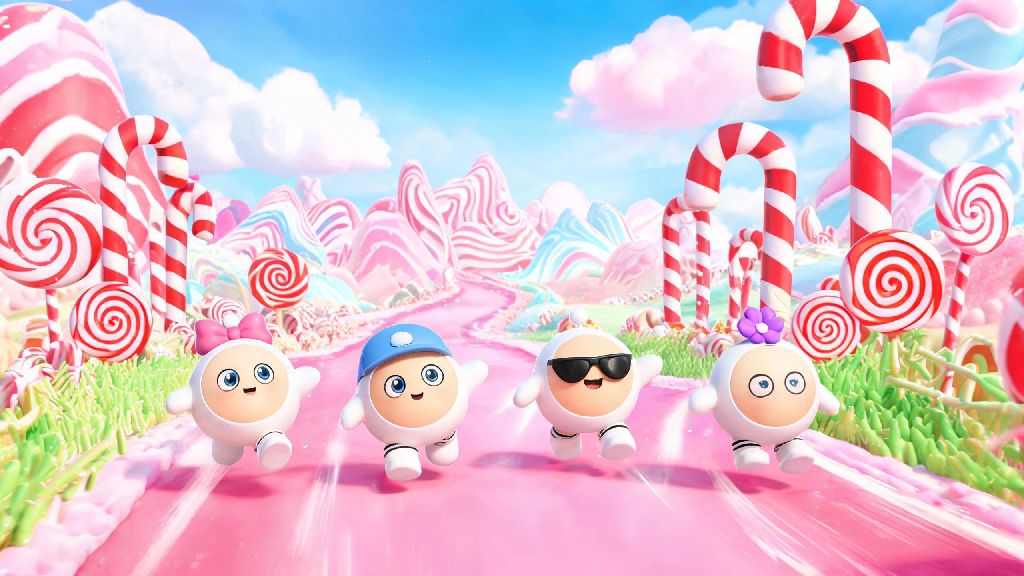
There are thousands of generic obstacle courses on Eggy Workshop, so adding a distinct theme or unique gimmick is the easiest way to make your map show up in search and get shared by players. You don’t need to invent a completely new mechanic to do this either. You can combine existing workshop assets in creative ways, like a candy-themed course where all obstacles are made of giant lollipops and gummy bears, or a space-themed course where low gravity changes how players jump across platforms. Test every gimmick you add at least 10 times before publishing to make sure it works consistently, doesn’t have unintended bugs, and is fun to interact with, not just cool to look at.
Many creators get burnt out if they spend 8+ hours straight building a single map, so it’s a good idea to take short breaks every hour to test other people’s maps or play a quick casual game to reset your creativity. Players who enjoy casual multiplayer games between building sessions often play Rummy Ludo, a light, quick-round party game that’s perfect for 5-10 minute breaks without pulling you too far away from your building flow. When you come back to your map after a short break, you’ll notice obvious bugs or clunky sections you missed when you were hyper-focused on building.
Some of the most popular gimmick ideas for beginner creators include:
Make sure your gimmicks don’t break the core flow of the obstacle course – you don’t want players to get stuck on a puzzle section for 5 minutes when the rest of the map takes 2 minutes to complete. These small creative touches are what separate generic courses from the top-ranked Eggy Party obstacle course design entries on the workshop leaderboards.
Prioritize fair checkpoints to reduce player frustration
Nothing kills a player’s enjoyment of your map faster than having to restart from the very beginning after falling on the final obstacle. Even if you’re making a super hard course for pro players, you need to place fair checkpoints throughout the map so players don’t feel like their progress is being wasted. As a general rule, add a checkpoint after every 3-4 obstacles, or after every section of your map that takes 30+ seconds to complete. Never place a checkpoint right before a high-risk obstacle – you want players to feel rewarded for completing a hard section, not set up to fail immediately after spawning. If you’re making a map for casual players, you can even add respawn platforms right next to hard obstacles so players don’t have to walk all the way back from a checkpoint if they fall once. That’s why thoughtful checkpoint placement is such a critical part of strong Eggy Party obstacle course design, no matter what difficulty level you’re targeting. I’ve seen maps double their playtime and positive ratings just by adding 2 extra checkpoints in the second half of the course, so this is a small change that makes a huge difference.
Playtest your Eggy Party obstacle course design with 3+ different players before publishing
You know every inch of your map, so you’ll be able to beat it easily even if there are hidden gaps, clunky jumps, or unfair obstacles that new players will struggle with. That’s why playtesting with people who have never seen your map before is non-negotiable if you want to make a popular course. Ask your playtesters to give honest feedback on what felt too hard, what felt too easy, and what parts felt boring or frustrating. Don’t get defensive if they say they hated a section you spent 2 hours building – their feedback is exactly what will make your map better for the thousands of players who will play it after publication. Pay extra attention to feedback about sections where multiple playtesters get stuck or fall repeatedly – if 2 out of 3 playtesters can’t make a jump on their first 3 tries, you need to make that jump easier or add a safety platform below it. You should also test your map on both mobile and desktop if possible, since Eggy Party has a huge mobile player base, and obstacles that feel easy on a keyboard can be nearly impossible to complete with touch controls.
At the end of the day, the best Eggy Party obstacle course design is one that you would want to play yourself. Don’t copy other popular maps beat for beat, add your own unique flair, test every section thoroughly, and don’t be afraid to make small updates after publication based on player comments. Even if your first map only gets a few hundred plays, every course you build will teach you new tricks to make your next one even better, and before you know it you’ll have a collection of popular maps that players love.